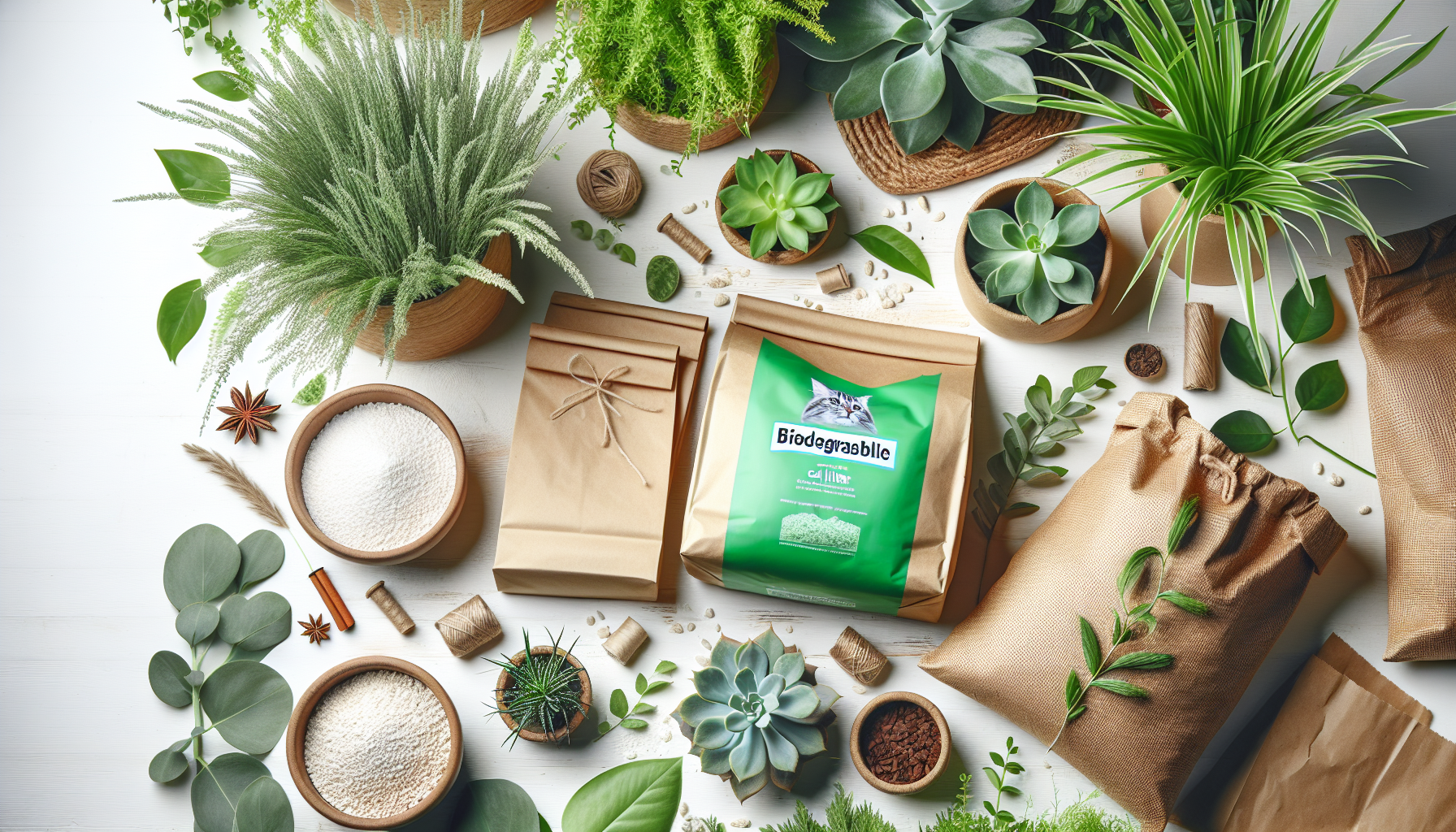
Recycled paper cat litter is exactly what it sounds like — paper, typically newspapers or cardboard, processed and compressed into pellets or granules and sold as a litter alternative. It's been around for years but has gained real momentum as cat owners look for more sustainable options that don't compromise on performance.
What sets paper litter apart from conventional clay is the raw material. Rather than strip-mining bentonite clay — an energy-intensive process that devastates landscapes — paper litter takes material that would otherwise go to landfill and gives it a second life. For environmentally conscious cat owners, that's a meaningful difference.
How Recycled Paper Litter Works
The paper is processed into small, dense pellets that absorb moisture on contact through capillary action — the same principle that draws water up a paper towel. Most paper litters are non-clumping. Instead of forming solid clumps that you scoop out, the litter wicks moisture away and dries it out at the surface while saturated layers build up underneath. Full empty-outs are required rather than partial scoops.
Because paper has no natural odour-masking properties, most brands add a light fragrance — some use essential oils, though these can be a trigger for sensitive cats. Others skip fragrance entirely and rely on the absorbent quality to keep smells down in the short term. Performance varies significantly between brands, so reading reviews before buying is worth it.
Pros of Recycled Paper Cat Litter
The standout advantage is softness. Paper litter is genuinely one of the gentlest options on the market — excellent for cats with sensitive or injured paws, older cats with joint issues like arthritis, and kittens whose bodies are still developing. If your cat has ever hesitated before stepping into their litter box, the texture of paper litter might make a real difference.
It's also virtually dust-free. The compression process produces pellets without the fine airborne particles that Clay litter kicks up on every pour. For cats with respiratory issues — or owners who have allergies themselves — this is a meaningful health advantage.
From an environmental standpoint, paper litter earns its credentials. Using post-consumer recycled paper keeps that material out of landfill, and the production carbon footprint is lower than clay strip-mining and processing. If sustainability is a priority in your household, recycled paper litter is a straightforward upgrade.
Tracking is minimal. The pellets are dense and heavy enough that they don't stick to paws the way lightweight litters do. If you find yourself vacuuming up scattered litter every day, paper litter can meaningfully reduce that problem.
Cons to Consider Honestly
Odour control is the main trade-off. Paper litter doesn't neutralise smells the way activated carbon clay or crystal litter does — it absorbs and dilutes, but doesn't actively combat odour molecules. If you have multiple cats, a small apartment, or are particularly sensitive to litter box smells, you may find yourself emptying the box more often than you'd like.
It's also not compatible with clumping expectations. If you prefer the convenience of scooping solid clumps each morning and topping up the box as needed, paper litter will feel like a step backward. Most paper litters require full box changes on a regular schedule rather than partial refills. Plan accordingly.
Availability is another practical consideration. Paper litter is less widely stocked than clay or crystal options — most big-box pet stores carry one or two brands at most, if any. You may need to order online, which means planning ahead rather than grabbing a bag on your next grocery run.
Absorption speed can also be an issue with heavier cats. Paper pellets work well for average-weight cats but can become saturated more quickly under larger or heavier animals, leading to wetter box conditions than you'd prefer.
Who It's Best For
Recycled paper litter is a genuine fit for cats with allergies or respiratory sensitivities, households that prioritise sustainability, single-cat homes with daily scooping routines, and cats recovering from paw injuries who need something soft to walk on. If you have two or more cats, however, you may find the odour-control capacity of paper litter pushed to its limits. Consider a second box or a different litter type for multi-cat households.
What to Look For When Buying
Look for brands that specify the percentage of post-consumer recycled content — ideally 90% or higher. Avoid paper litters that are mixed with clay, silica, or other materials, as this dilutes the eco-friendly advantage and can reintroduce dust issues. Check the ingredient list before you buy.
If you have a cat who's sensitive to scents, start with an unscented variety. Some cats actively avoid scented litter, which creates more problems than it solves. You can always switch to a lightly scented version later if needed.
Storage matters too. Paper litter absorbs moisture from the air even when sealed, so keep bags closed and stored somewhere dry — not in a damp garage or basement. Old bags that have absorbed moisture will perform poorly from the first pour.
The Bottom Line
Recycled paper cat litter is one of the most sustainable and gentle options on the market, and for the right cat and household, it performs well. Don't expect it to outperform purpose-built odour-control litters on smell — that isn't what it's optimised for. But if a soft, low-dust, eco-conscious litter aligns with your values, it's absolutely worth trying.
Browse a selection of paper-based litters on Chewy → or Amazon → to compare options, pellet sizes, and prices.