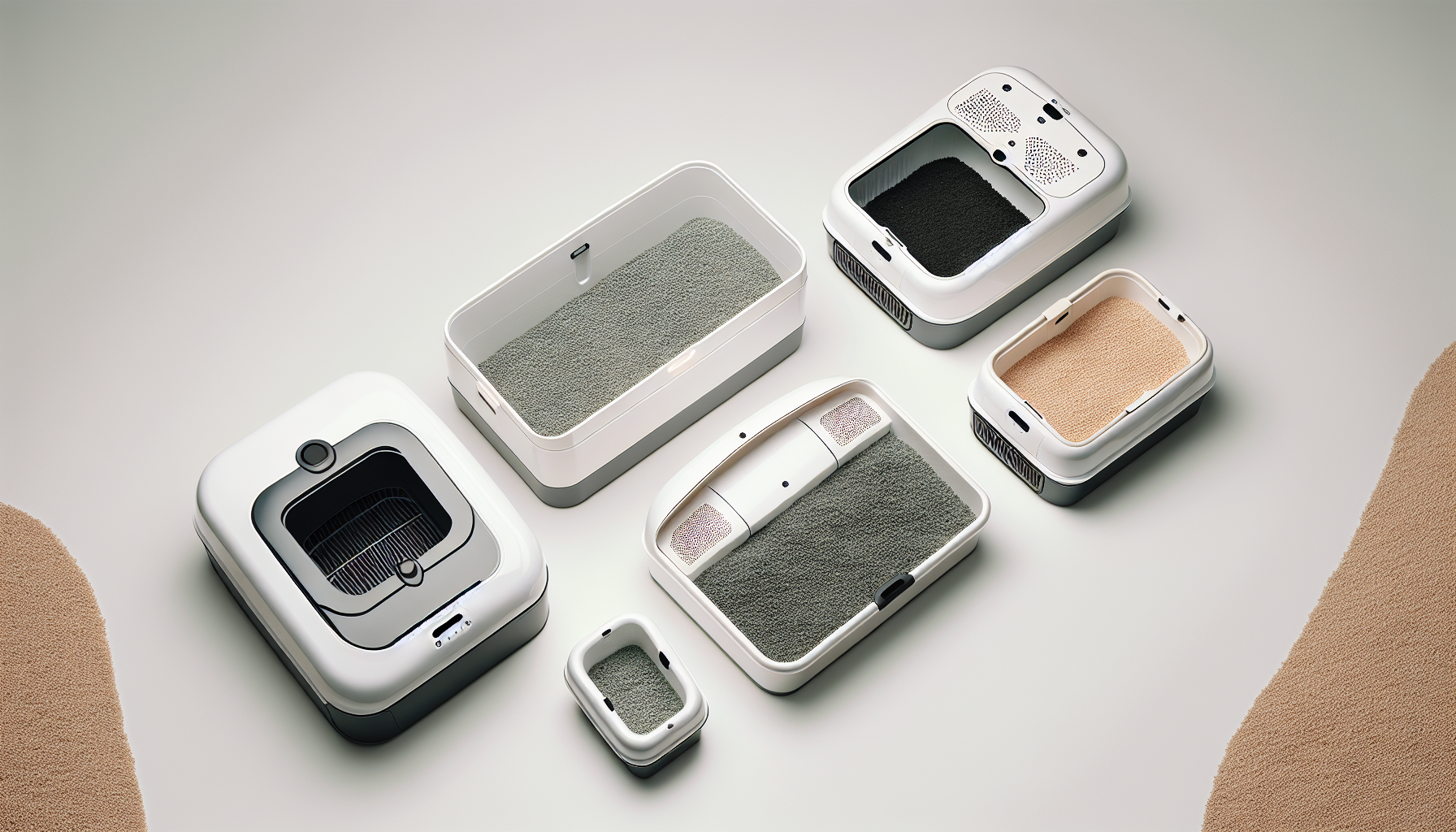
If you've spent any time in cat-owner communities, you've seen the debate: automatic litter boxes are the greatest convenience ever invented, or a noise-prone, jam-prone waste of several hundred euros. The truth is more nuanced — and the right answer depends heavily on your specific household.
How They Work
A manual litter box is a pan you fill with litter. You scoop the waste daily, top up litter as needed, and do a full empty-and-scrub every week or two. That's it. An automatic litter box does the scooping for you using a mechanical comb, rake, or conveyor that separates waste from clean litter and deposits it into a sealed compartment. Most require a power source, proprietary waste bags or liners, and a larger footprint than a standard pan.
The Real Cost Comparison
A decent manual litter box costs €15–€50 and lasts for years. A self-cleaning automatic box runs €300–€800 upfront — then adds ongoing costs: proprietary waste drawers (€10–€30 per month), replacement parts (rakes wear out, sensors fail), and higher electricity. Over two years, an automatic system typically costs 5–10x more than a manual setup.
That doesn't automatically disqualify them — but it means the value proposition is entirely about time saved, not money saved. Browse litter boxes on Chewy →
The Mechanical Reliability Problem
This is the part manufacturers don't lead with. Automatic litter boxes have moving parts: motors, sensors, rakes, gears. Over time, these fail. Cat waste is corrosive. The mechanisms gum up. Sensors misread a cat's position. A jammed automatic litter box is significantly worse than a neglected manual one — you've got a full box, a mechanical fault, and a cat with nowhere to go.
Manual boxes don't break. They just get dirty.
Cat Acceptance Is Not Guaranteed
Some cats adapt to automatic boxes immediately. Others refuse to step near them — put off by the noise, the movement, the different surface texture, or the enclosed space that many automatic models require. If your cat rejects the automatic box, you've bought an expensive decoration.
Before committing to an automatic system, test with a borrowed or display model if possible. Or accept that you may need to maintain a manual backup for your hesitant cat. View manual litter box options on Amazon →
Odor Control: Automatic Has an Edge — With Caveats
The sealed waste compartment in an automatic litter box does genuinely reduce ambient odor between cleanings. If you're away from home for 12+ hours, that sealed drawer keeps things contained in a way an open manual pan can't match.
But here's the catch: most automatic boxes only activate after the cat leaves. That means urine sits in the litter for 15–30 minutes before the cleaning cycle runs. In that window, ammonia is already off-gassing. The sealed drawer helps between cycles, but the box isn't odour-free. And if the mechanism fails and the drawer is full, you have a much worse problem than a full manual box.
Who Should Get an Automatic Litter Box
They genuinely make sense if: you have multiple cats and the daily scooping volume is genuinely burdensome; you have a physical limitation that makes bending and scooping difficult; you're away from home for long stretches and can't rely on a daily scoop routine; or you have the budget to absorb the upfront and ongoing costs without stress.
Who Should Stick With Manual
A manual box is almost always the better choice if: you're on a tight budget; your cat is senior, small, or noise-sensitive; you want maximum reliability (no mechanical failures); or you're happy spending 2–3 minutes a day on scooping.
The dirty secret of the automatic vs manual debate is that the biggest variable isn't the box — it's consistency. A manual box that's scooped daily will outperform an automatic box that's malfunctioning or rarely emptied. The best litter system is the one that gets maintained.