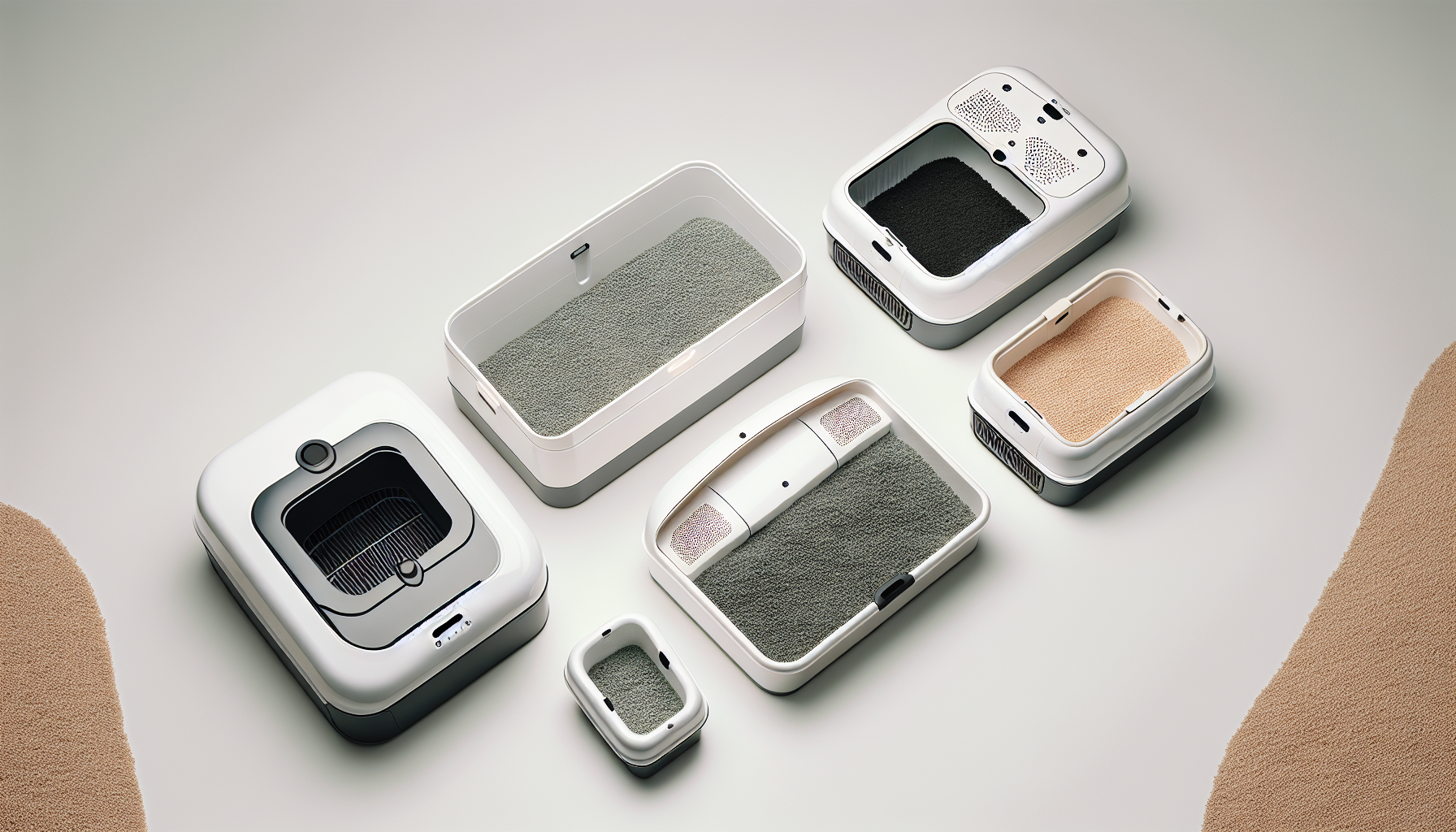
Automatic litter boxes are a real investment. Between the upfront cost and the ongoing consumables — waste bags, liners, carbon filters — you want to know it's going to last. Most manufacturers give 3–5 years as a baseline. But the real answer depends heavily on build quality, how often you use it, how many cats you have, and how well you maintain it.
What Affects Lifespan Most
The motor and sensor system are the weak points. Cheaper models use simpler motors that wear out faster, especially under constant load from larger cats or multiple cats using the box daily. The geared mechanisms that rotate the drum or rake are the first to fail — they handle a lot of mechanical stress and are exposed to moisture and waste residue.
Sensors fail too. The infrared sensors that detect your cat's presence and trigger the cleaning cycle are reliable for the first couple of years but can become erratic as the lens gets coated with dust or litter dust settles on the emitter. Some units develop false-trigger problems — cycling when no cat is present, or failing to cycle when they should.
Which Brands Last Longer
The market leaders — Litter-Robot, Whisker, and PetSafe — are generally built to higher tolerances than budget models. Litter-Robot units in particular have a strong track record beyond 5 years with basic maintenance. Budget models from lesser-known brands often start having problems within 12–18 months.
If you're buying a second-hand unit, check whether the previous owner ran it continuously or only partially. A unit that has been running for two years on a single cat is going to be in much better shape than one used by three large cats for the same period.
Maintenance That Extends Life
Regular cleaning is the single biggest factor in how long your unit lasts. Waste residue is corrosive over time — it degrades rubber seals, dulls gears, and accelerates motor wear. A monthly deep clean where you disassemble the waste drawer, wipe down the drum interior, and remove any accumulated litter dust from the sensor housing will add significant life.
Replacing the carbon filter every 3–6 months also matters — not just for odour control, but because a saturated filter restricts airflow and forces the motor to work harder. Replacement filters are available on Chewy →
Lubricating the rolling mechanisms every six months with a pet-safe silicone lubricant keeps the rake or drum moving smoothly without the motor straining.
Warning Signs It's Time to Replace
Motor noise that changes — louder, grinding, or suddenly more frequent cycling — is the most reliable sign. If the unit starts making a sound it didn't make when it was new, the motor is under stress. Persistent error codes that reappear after cleaning and resetting are another red flag. Some error codes indicate sensor failure that is expensive to repair and often not worth it on an older unit.
If your cat has gained weight and the unit was designed for cats under a certain size, the motor may be struggling to handle the load. Most automatic boxes have a weight limit — check your manual and weigh your cat if you're unsure.
Finally, if you're spending more on repairs and replacement parts than a new entry-level unit would cost, it's time to upgrade. For most owners, that threshold hits around year four or five depending on the brand.
The Bottom Line
Plan for 3–5 years from a quality unit. Invest in a well-reviewed brand from the start — the cost difference between a budget model and a Litter-Robot is real, and the lifespan difference is significant. Maintain it monthly, replace consumables on schedule, and you have a good chance of pushing past five years without major repair costs.