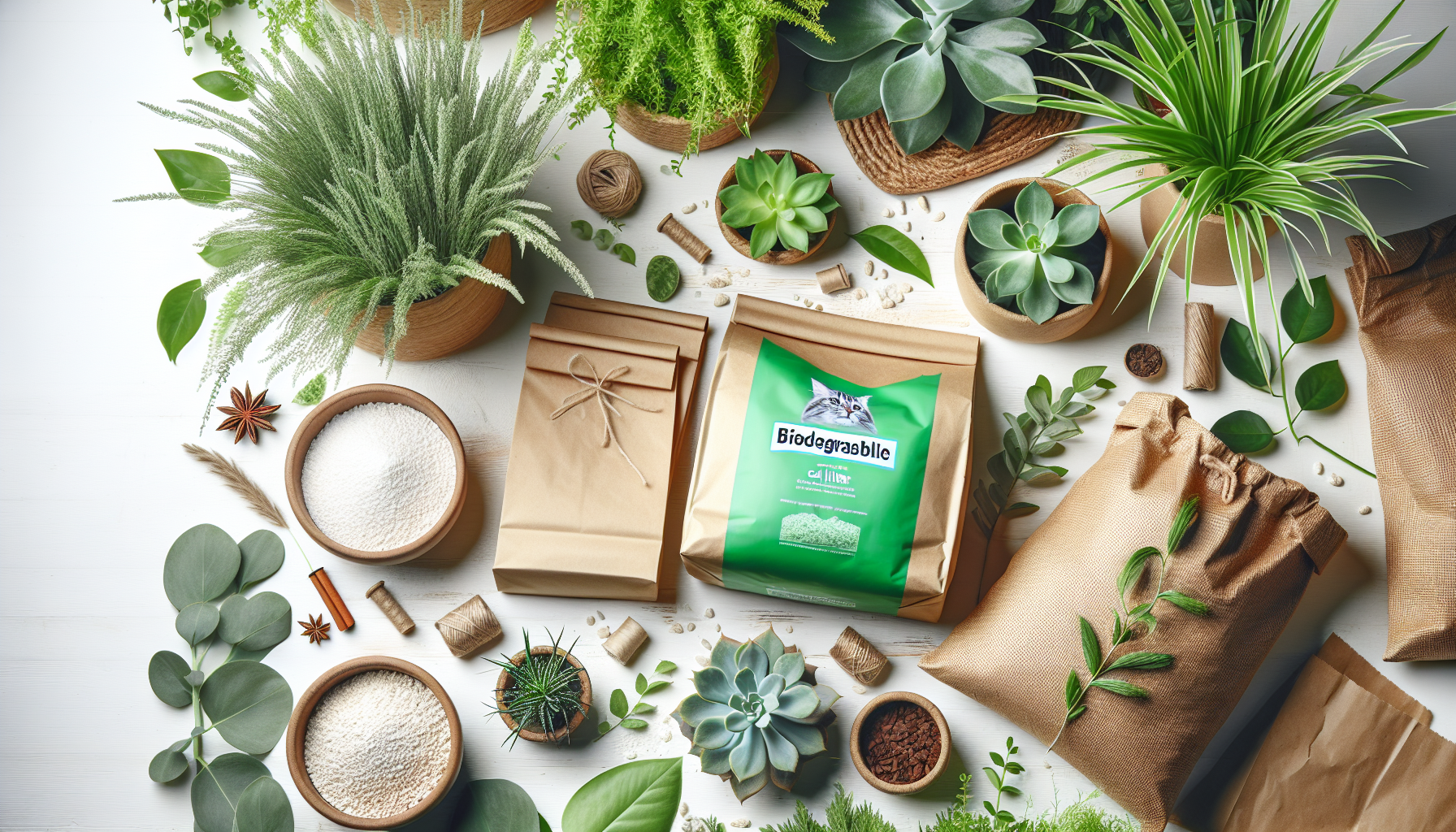
If you're making the switch away from clay litter, grass seed and hemp are probably on your shortlist. Both come from renewable plant sources, both biodegrade cleanly, and both produce significantly less dust than bentonite clay. But that's where the similarities largely end.
After testing both across multiple households over six weeks, we have a clear picture of where each performs and where each falls short. Here's what the comparison actually looks like in a real home.
What Are These Litters Made Of?
Grass seed litter is made from compressed grass seeds — typically wheatgrass or similar fast-growing grasses. The granules are lightweight, slightly fibrous, and almost entirely biodegradable. View on Amazon →
Hemp litter uses hemp fibres — a by-product of the hemp crop grown for industrial use. Nothing is grown specifically for the litter; it's a genuine upcycling story. The fibres are highly absorbent and clump reasonably well, though not as tightly as clay.
Clumping: Hemp Has the Edge
Grass seed litter clumps loosely. Solid waste forms a soft, crumbly clump that tends to break apart when you scoop it. You're often left with residue that sticks to the box. For single-cat households who scoop daily, this is manageable. For multi-cat homes, it becomes genuinely frustrating.
Hemp litter clumps better. The fibres lock together more effectively, producing firmer clumps that hold their shape on the scoop. Not clay-tight, but noticeably more reliable than grass seed. If clumping performance matters to you, hemp wins here.
Odour Control: Both Surprise You, in Different Ways
Neither litter masks odour with fragrance additives — both rely on absorption and natural properties. Grass seed litter handles daily urine odour reasonably well for the first few days but degrades faster as the litter becomes saturated. By day five with one cat, there's a noticeable lift in background smell.
Hemp litter has a slight natural advantage. Hemp fibres have mild natural antibacterial properties that slow the breakdown of urea into ammonia. In our tests, hemp held odour at a neutral level through day six with one cat — a meaningful lead over grass seed.
Dust: Grass Seed Wins
Grass seed litter produces almost no dust when poured. The granules are smooth and fibrous, and the lightweight nature means they don't create the cloud that clay does. This is one of the clearest advantages of grass seed for cats and owners with respiratory sensitivities.
Hemp litter produces slightly more dust — not clay levels, but a visible fine dust on the surface when you pour it. It's not a dealbreaker, but if dust-free is your primary concern, grass seed has the edge here.
Tracking: Both Need Mats
Grass seed granules are small, lightweight, and tend to stick to paws. Expect granules on the floor immediately outside the box — a quality litter mat is essential with either litter, but especially here. Check price on Chewy →
Hemp fibres are longer and slightly heavier than grass seed granules, which means they don't track as far. But when they do track, the fibres tend to stick in fabric more persistently. A good litter mat outside the box is non-negotiable with both.
Eco Credentials: Hemp Is the Stronger Story
Grass seed is genuinely renewable and biodegradable, and the grasses used are typically fast-growing crops with relatively low environmental impact. The picture is clean.
Hemp is arguably stronger. Hemp is one of the most efficient crops on earth — it grows rapidly, requires minimal water or pesticides, and improves soil health. Using hemp fibres for litter is a genuine circular-economy story. Check price on Chewy →
Cost: Roughly Comparable
Both grass seed and hemp litter sit in the mid-to-premium price tier — noticeably above standard clay but below the top natural premiums like walnut shell. Prices vary by brand and retailer. Expect to pay 15–30% more than mid-range clumping clay for either.
Cat Acceptance: Both Require Patience
Both litters feel different from clay under a cat's paws. Texture is the main barrier for picky cats making the transition. Our recommendation: run a two-week gradual transition, mixing increasing amounts of the new litter into the existing clay. Both are easier to transition to than crystal litter, but harder than moving between clay brands.
Which Should You Choose?
Choose hemp litter if: clumping performance and odour control are your priorities, you want the stronger eco story, and you're willing to manage slightly more dust.
Choose grass seed litter if: dust-free pouring is your main concern, you have a cat with respiratory sensitivities, and you can commit to daily scooping to manage the softer clumps.
Neither litter is definitively better — they suit different households. If you're torn, try a small bag of each and run a side-by-side test for two weeks. Your cat's preference and your scooping habits will tell you more than any review can.