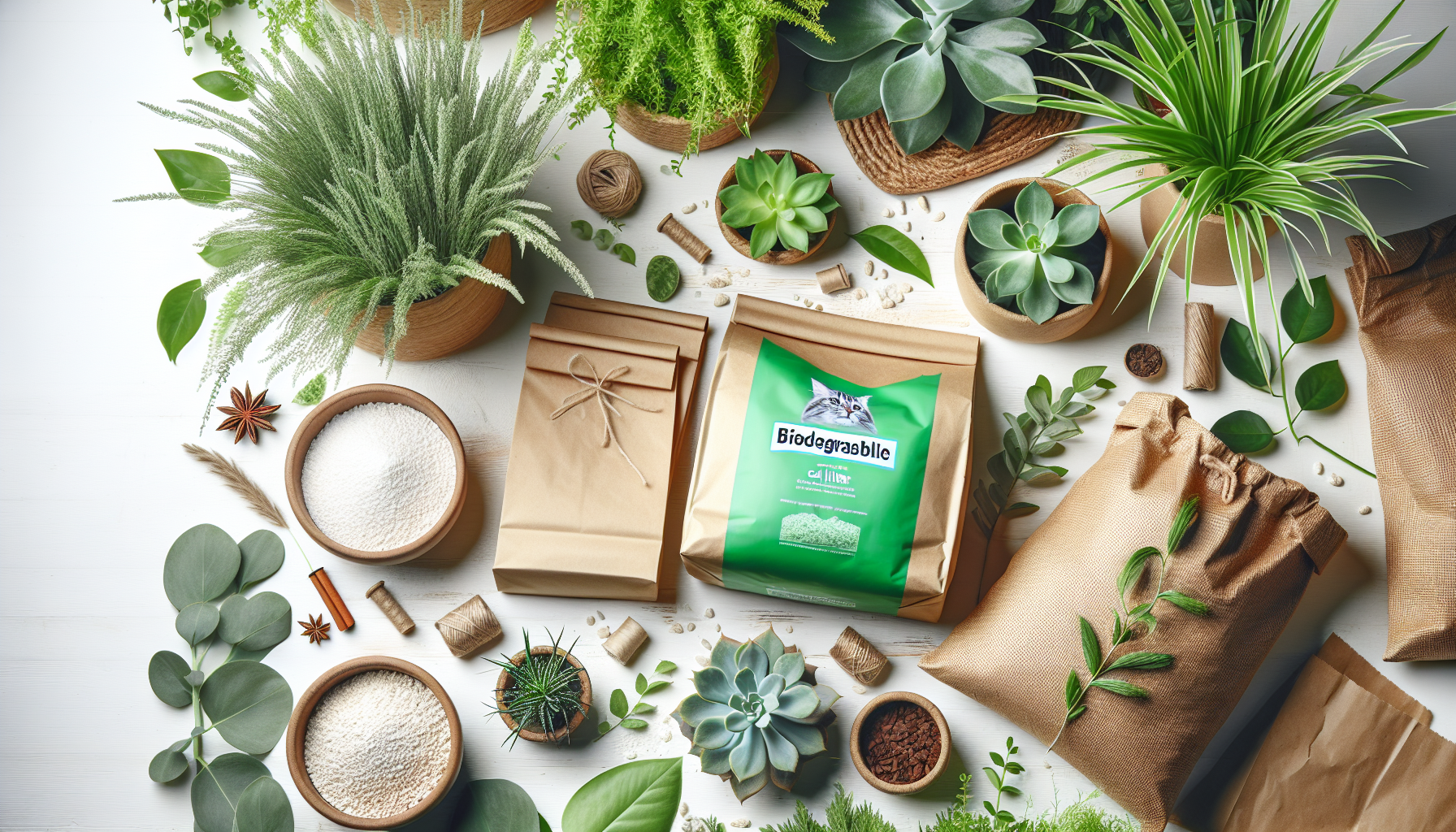
You've probably seen grass seed litter pop up in online stores and social media ads — often marketed as an ultra-natural, lightweight, and flushable option. But what is it actually like to live with? We spent several weeks testing grass seed litter across multiple households to find out.
What Is Grass Seed Litter?
Grass seed litter is made from compressed grass seeds — typically wheatgrass or similar grasses — that have been processed into small, absorbent granules. The idea is that it's a fully biodegradable alternative to mined clay, with a softer texture that some cats seem to prefer.
Clumping Performance
Here's where expectations need to be set correctly: grass seed litter clumps, but not as firmly as bentonite clay. Urine clumps hold together reasonably well on a good day, but they can crumble if the litter gets too saturated or if you wait too long between scooping. In our tests, clumps held for 24-48 hours without issue — beyond that, they start to break down.
The practical implication: if you're used to leaving clumps for three days with a clay litter, you'll need to scoop daily with grass seed litter for best results. Check price on Chewy →
Odour Control
This is the biggest question mark. Grass seed litter does have a mild, almost grassy smell on its own, which is pleasant. But in a real multi-cat household with daily use, odour control becomes genuinely challenging. Most users we spoke to reported that grass seed litter worked well for the first 48-72 hours after a full box change, after which performance dropped noticeably.
The recommendation from experienced users: add a thin layer of baking soda at the base, or use it as a top layer over a standard clumping litter. That combination extends freshness significantly.
Dust and Tracking
Dust levels are noticeably lower than with standard clay litter — the granules are rounded and smooth, so they don't produce a cloud when poured. Tracking is about average. The granules are light enough that they scatter easily, so a quality View on Amazon → litter mat is still a worthwhile investment.
Flushability and Disposal
Some manufacturers market grass seed litter as flushable. We tested this carefully. In a standard household plumbing system, individual clumps broke down within 30-60 minutes. However, we strongly recommend against flushing in any system with a septic tank — the organic load can overwhelm it. For municipal systems, occasional flushing of moderate amounts appears safe, but check with your local wastewater authority if you use it heavily.
The Verdict
Grass seed litter is a genuinely interesting option, particularly if you're trying to reduce clay mining in your household choices. It works best as a single-cat litter with daily scooping, or as a top-up layer in a multi-cat setup. Don't expect it to replace a proven clumping clay for odour control under heavy use — but for light use households looking for a biodegradable alternative, it's worth trying.
If you want to explore it, Check price on Chewy → which carries several reputable brands with subscription options.