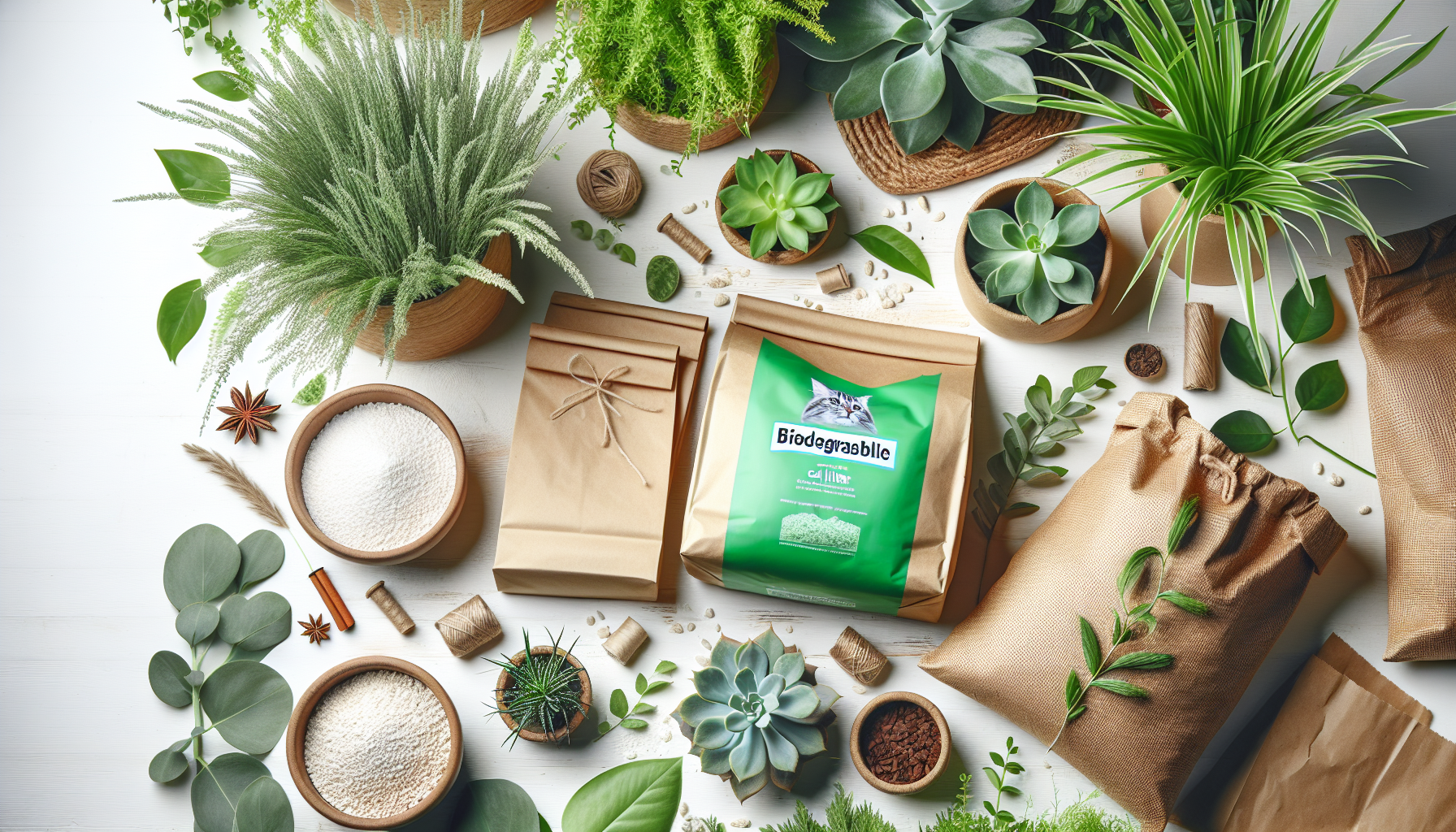
Pull that bag out from the back of the cupboard and you'll likely find a manufacture date, a lot code, or maybe nothing at all. Unlike food, cat litter doesn't come with a clear expiration. But that doesn't mean it lasts forever.
What the Manufacture Date Actually Tells You
Most litters are stamped with a production date, not an expiry date. Clay-based clumping litter is relatively stable and can remain functional for 1–2 years after manufacture if kept dry. After that, the sodium bentonite begins to lose its clumping structure — the granules don't bind as tightly, and odour control drops noticeably.
Biodegradable litters — corn, wheat, paper, tofu, wood — age much faster. Natural fibres break down over time even inside a sealed bag, especially in warm or humid conditions. Manufacturers generally recommend using these within 6–12 months of the production date for best performance.
How Storage Conditions Matter More Than the Date
A bag stored in a damp garage will degrade faster than one kept in a dry linen cupboard. Moisture is the enemy of every litter type, but especially clumping clay and plant-based formulas. If a bag has been sitting in a humid space for months, the litter inside may already be partially clumped or mouldy before you open it — both of which make it worse than useless in a litter box.
Signs your stored litter has degraded:
- Clumping litter fails to clump or forms soft, crumbly masses
- Plant-based litter smells musty or sour before any cat has even used it
- The texture is visibly different — chalky, powdery, or damp
- You notice clumping or hardening inside the still-sealed bag
Can Using Expired Litter Harm Your Cat?
In most cases, degraded litter is a performance problem rather than a safety issue. A cat walking on expired clumping litter won't be harmed — but the litter won't do its job properly, and you'll end up scooping more, smelling more, and potentially tracking more.
Where it gets more serious is mould. If biodegradable litter has been stored poorly and developed mould — visible as white, grey, or green patches — don't use it. Mould spores can cause respiratory issues in both cats and humans, and some moulds produce toxins that are genuinely harmful. Check price on Chewy →
The Lot Code Mystery
Many manufacturers use a cryptic lot code instead of a readable date. These are typically alphanumeric codes stamped on the bottom or side of the bag. If you're trying to determine how old a bag is, check the manufacturer's website — most list a lot code decoder. If you can't find it, err on the side of caution with older-looking bags.
What to Do With Old Litter
If you've opened a bag and the litter seems fine — clumps properly, smells neutral — it's perfectly usable even if it's a year old. The performance may be slightly reduced, but it will still work.
For biodegradable litters past their window, consider using them for composting if your municipality allows pet waste in green waste bins (most don't — check local rules). Some gardeners use expired plant-based litter as a soil amendment in non-edible garden areas. View on Amazon →
The Bottom Line
Cat litter doesn't have a hard expiry date, but it does have a performance window. Clay litters last 1–2 years in good storage conditions. Plant-based litters are best used within a year. If in doubt, test a handful: if it clumps, smells neutral, and looks normal, use it. If it doesn't, replace it — and store your next bag somewhere dry.