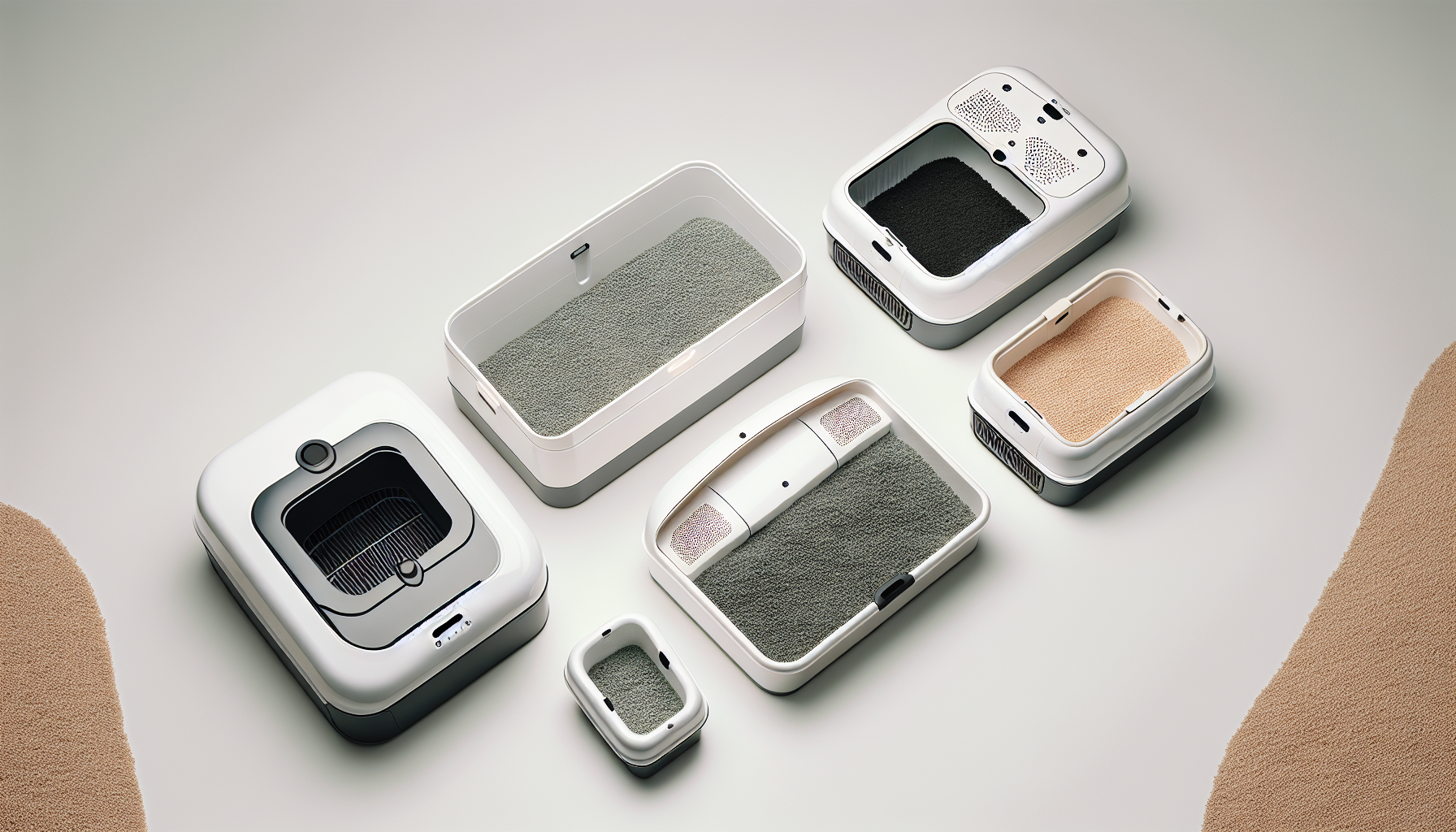
The sticker price on an automatic litter box doesn't tell you much. A unit might set you back $400–$600 — but then there's the waste bags, the cleaning solution, the electricity, and eventually a motor replacement nobody talks about upfront. Let's lay out what the actual monthly cost looks like.
Purchase Cost: One-Time, Then Depreciated
Automatic litter boxes range from roughly $300 to $1,300. The most popular models (Litter-Robot 4, CatGenie, Petcube) sit in the $500–$700 range. Spread over three years, that's roughly $0.50–$0.65 per day before you factor in anything else. If you have multiple cats, you may need more than one unit — which immediately doubles the ongoing cost.
Check current prices on some of the more popular models at Chewy → to get a real sense of what's available at different price points.
Waste Bags and Liners
Most automatic litter boxes use proprietary waste bags or liners that don't work with standard trash bags. These typically run $10–$20 for a 30-day supply, depending on how many cats you have and how often the unit cycles. That's roughly $0.35–$0.65 per day just for the bags. Some models use cheaper generic bags; others lock you into the brand version at a premium.
Electricity
An automatic litter box draws power for the motor, the sensor system, and sometimes a UV sterilization cycle. Most models use between 5 and 30 watts during operation, which works out to roughly $1–$3 per month depending on your electricity rate. It's not dramatic, but it's real.
Litter: Same Brand, Higher Cost
Automatic litter boxes are designed to work with specific litter types. Some require proprietary formulas (usually $15–$25 per 35-lb bag vs. $8–$12 for standard clumping clay). Others accept standard clumping litter, which keeps your per-bag cost lower but may affect how well the mechanism works. Factor in roughly $5–$10 per month in additional litter cost if your automatic system uses a pricier formula.
Cleaning Solution and Maintenance Parts
You'll still need to manually clean the unit every 1–4 weeks, which means enzymatic cleaner (~$8/month if you buy a multi-purpose bottle). Beyond that, consider the parts that wear out: the waste drawer liner inserts, the carbon filters, and eventually the motor or belt on models with moving components. Budget $5–$15 per month for these consumables and occasional replacements.
The Hidden Cost Nobody Talks About
Automatic litter boxes have a higher failure rate than standard boxes — and repairs often mean sending the unit back to the manufacturer or paying for a technician. Out-of-warranty repairs for motor or sensor issues typically run $80–$200. If you keep a unit for five years, build in at least one service event as a rough contingency.
The Real Monthly Total
Here's the honest picture for a single-cat household with one automatic litter box:
- Depreciated purchase cost: ~$0.55/day ($16/month)
- Waste bags/liners: ~$15/month
- Electricity: ~$2/month
- Additional litter cost: ~$7/month
- Cleaning solution + parts: ~$10/month
That's roughly $50/month total — or about $600 per year. For a two-cat household with two units, that easily doubles to $100/month or more.
Is It Worth It?
That depends entirely on your situation. If you're scooping multiple boxes every day and the odour is wearing you down, the time savings are real. But if a standard box with good habits handles your situation adequately, the economics of an automatic unit don't work out unless you value the convenience at roughly $15–$20 per hour of your time. Do the math before you buy.