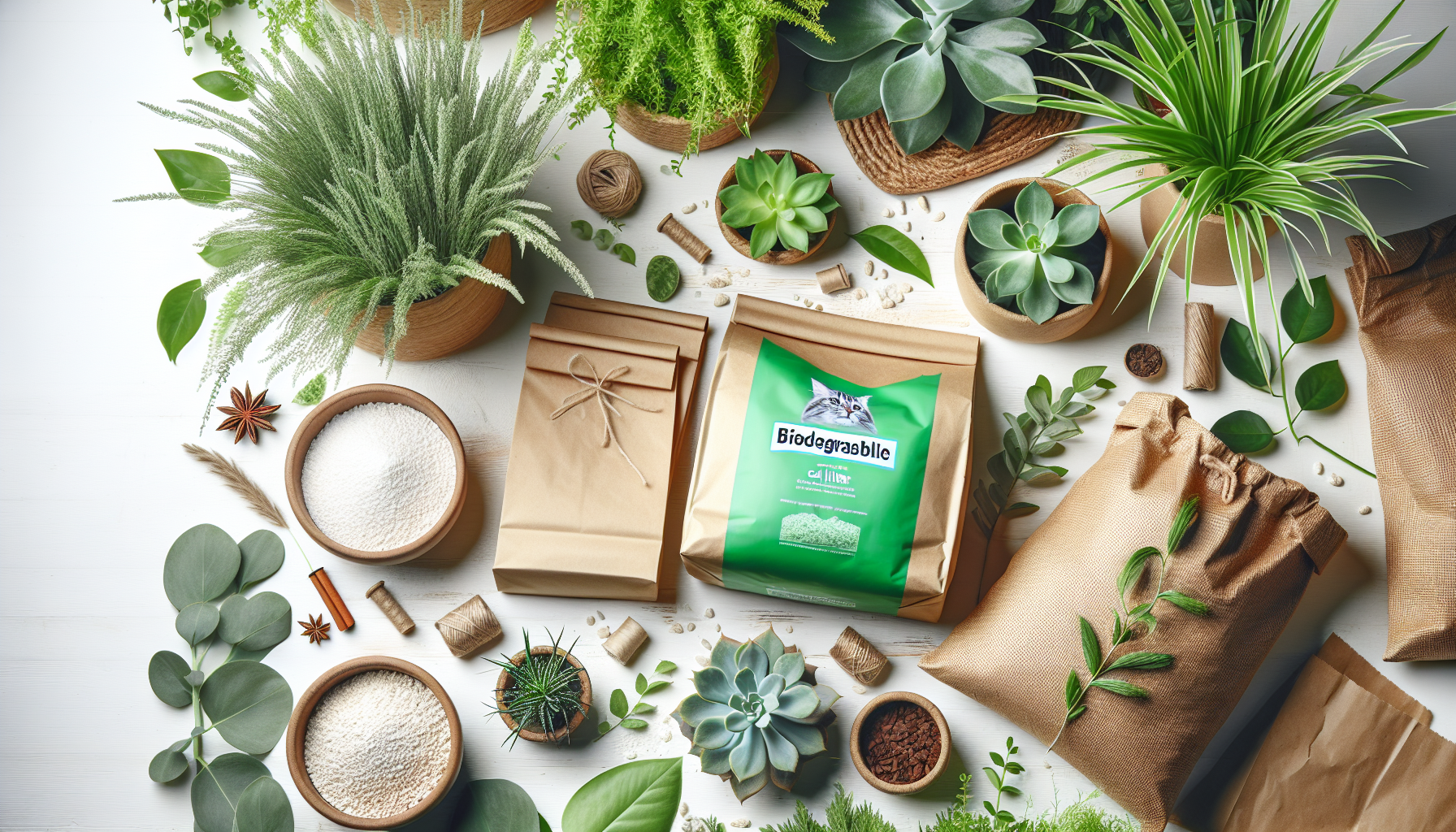
If you've spent any time browsing natural cat litters, you've probably seen almond-based options creeping into the shelves. It's a niche product — less common than corn, wheat, or tofu — but it has a small and devoted following. So what actually is almond cat litter, and how does it perform in a real home with a real cat?
In this guide, we'll cover what almond litter is made from, how it handles odour and clumps, and what its main advantages and drawbacks are compared to the more mainstream alternatives.
What Is Almond Cat Litter Made From?
Almond cat litter is typically made from ground almond shells — the hard outer casing of the almond nut that gets separated during food production. In other words, it's an agricultural by-product, not a primary crop. This makes it a reasonably sustainable option since it's using material that would otherwise go to waste.
The shells are processed into small, granular particles similar in size and shape to walnut shell litter. The resulting product is hard, lightweight, and naturally somewhat absorbent.
Odor Control: Where It Stands
This is where almond litter tells a mixed story. On its own, almond shells don't have the same level of natural odour-neutralising compounds as pine or activated carbon litters. In a single-cat household with daily scooping, almond litter holds up reasonably well for the first day or two. Beyond that, you'll start noticing ammonia building up faster than you would with a quality clumping clay or crystal litter.
That said, some manufacturers blend almond litter with other materials — for example, adding activated charcoal or plant-based deodoriser — to improve performance. If you're buying a blended product, check the ingredient list to see what's actually doing the odour work.
For multi-cat households, almond litter generally falls short. The odour load is simply too high for the natural absorbency of the shells to keep up.
Clumping Performance
Most almond litters are non-clumping. They absorb urine rather than forming a solid clump, which means you scoop by odour rather than by clump formation. This can make litter management messier and less predictable.
A few products on the market are formulated to clump — typically by compressing the almond shells into a denser granule — but these are the exception rather than the rule.
If you're someone who relies on clear clumping action to know when to scoop, almond litter may frustrate you. Check price on Chewy → for alternative natural litters with better clumping performance.
Tracking and Dust
Tracking is where almond litter actually performs well. The shells are hard and relatively smooth, so they don't stick to paws the way fine clay particles do. If you're fighting a constant battle against litter being tracked across the house, almond litter is worth trying for this reason alone.
Dust levels are also low. Because the shells are processed rather than mined or ground from soft materials, there's minimal fine particulate. This makes almond litter a reasonable choice for cats or owners with mild respiratory sensitivities.
Disposal and Environmental Impact
Almond litter is biodegradable and compostable in most municipal systems — though it's worth checking your local regulations on compostable waste. Because it's an agricultural by-product, it has a lower carbon footprint than clay strip-mined litter.
The main caveat is that because the litter doesn't clump, you end up disposing of more material per scoop than you would with clumping clay. This slightly offsets the environmental benefit.
For owners committed to reducing waste, View on Amazon → for other eco-friendly litter options that balance performance with sustainability.
Who Is Almond Litter Best For?
Almond cat litter works best for:
- Single-cat households with daily scooping habits
- Owners prioritising low tracking over strong odour control
- Cat owners seeking agricultural by-product sustainability
- Homes with respiratory sensitivities where dust is a concern
It's not the right fit for multi-cat homes, households where odour control is the primary concern, or owners who want the convenience of clear, solid clumps.
The Bottom Line
Almond cat litter is a legitimate natural option with real strengths — low tracking, low dust, and reasonable sustainability credentials. But it carries real weaknesses too, particularly around odour control and the absence of clumping action. It's not a litter we'd recommend as a first choice, but it's a credible option if your priorities lean heavily toward tracking reduction and eco credentials.
If you're curious, try it with a single cat in a smaller space before committing to it full-time. That way you'll know whether it works for your home before buying in bulk.